

Friendship Skills

13-14 week program consisting of 13-14 sessions, held once weekly from 4:30-6pm.
What Is This Program About?
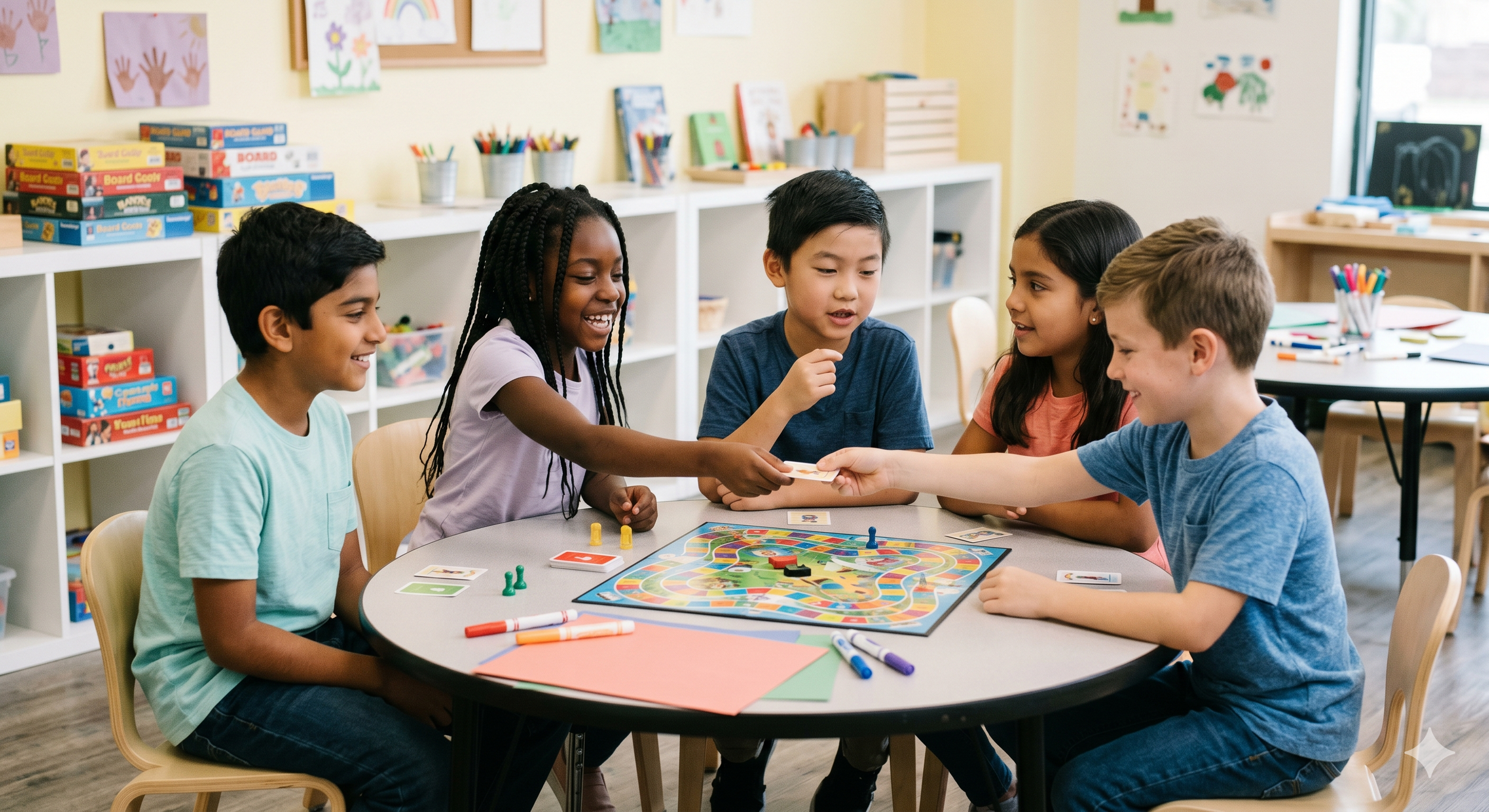
Our Friendship Skills Group helps learners build social skills through structured play and creative activities in a fun, supportive environment. Using arts & crafts, board games, and interactive group activities, learners practice important skills like turn-taking, sharing, teamwork, communication, and good sportsmanship.
Learners are supported in developing positive peer interactions, participating in group activities, and building meaningful friendships in a safe and inclusive space.
This group is designed for school-aged children and adolescents who would benefit from extra support in building social confidence and connecting with others.
Who Is It For?
This group is designed for school -aged children and adolescents (ages 6 – 12). These are learners who have foundational social skills but would benefit from extra support in building social confidence and positive interactions within a group setting. Groups will pair learners of similar ages and goals.
What Will My Child Learn?
In our Friendship Skills Group, learners will build and practice important social skills in a fun, supportive setting. Each skill is taught, modelled, and practiced through engaging activities:
Starting and Joining Conversations - Learning how to start conversations, join in with peers, and keep interactions going.
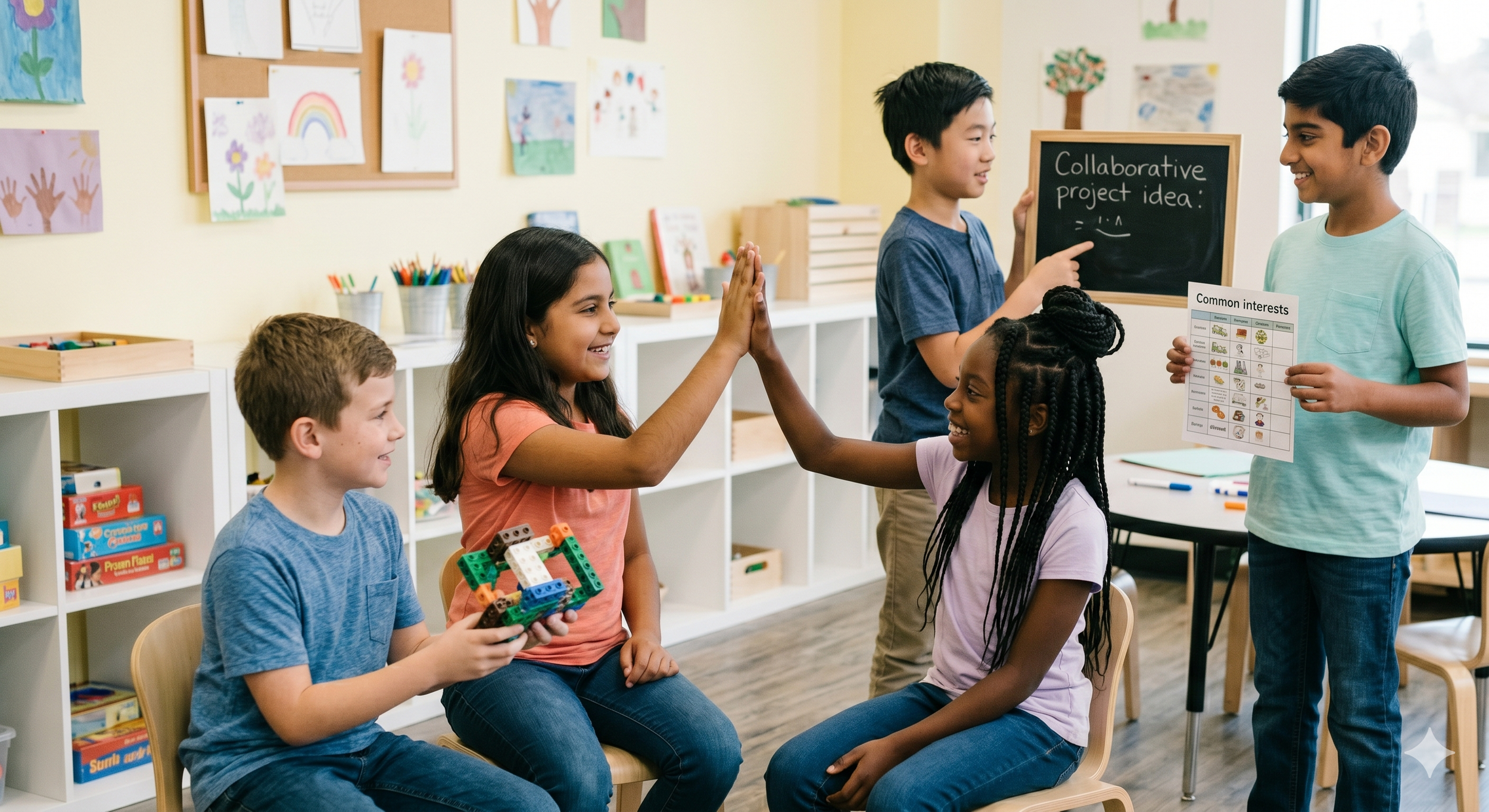
Making and Keeping Friends- Building skills to make friends, find common interests, and maintain positive relationships.
Turn-Taking and Cooperative Play - Practicing sharing, waiting, and working together during games and group activities.
Understanding Social Cues - Learning to notice body language, facial expressions, and tone of voice to better understand others.
Problem-Solving with Peers - Developing strategies to handle disagreements, take turns, and solve problems calmly.
Managing Emotions - Building skills to cope with frustration, excitement, and other emotions during social situations.
Respectful Communication - Practicing listening, taking turns speaking, and using kind and appropriate language.
Good Sportsmanship- Learning how to win and lose appropriately, follow rules, and encourage others.
Group Participation - Building the ability to stay engaged, follow routines, and participate alongside peers.
Please let us know if you have any further questions or if you would like to register