

Friendship Explorers: Peer Pathfinders

7-week program consisting of 14 sessions, held twice weekly.
What Is This Program About:
Friendship Explorers: Peer Pathfinders is an advanced social skills group for learners who have developed foundational friendship skills and are ready to build greater independence and confidence in social situations.
This group is guided by the AIM Explorers curriculum, a structured, evidence-informed program that supports learners in navigating more complex social interactions. Using the hexaflex model, learners build skills in staying present and engaged, thinking flexibly, managing uncomfortable thoughts and feelings, developing self-awareness, understanding what matters to them as a friend, and making positive, values-based choices.
Through this curriculum, learners explore key concepts such as perspective-taking, flexible thinking, managing social challenges, and building deeper, more meaningful peer relationships.
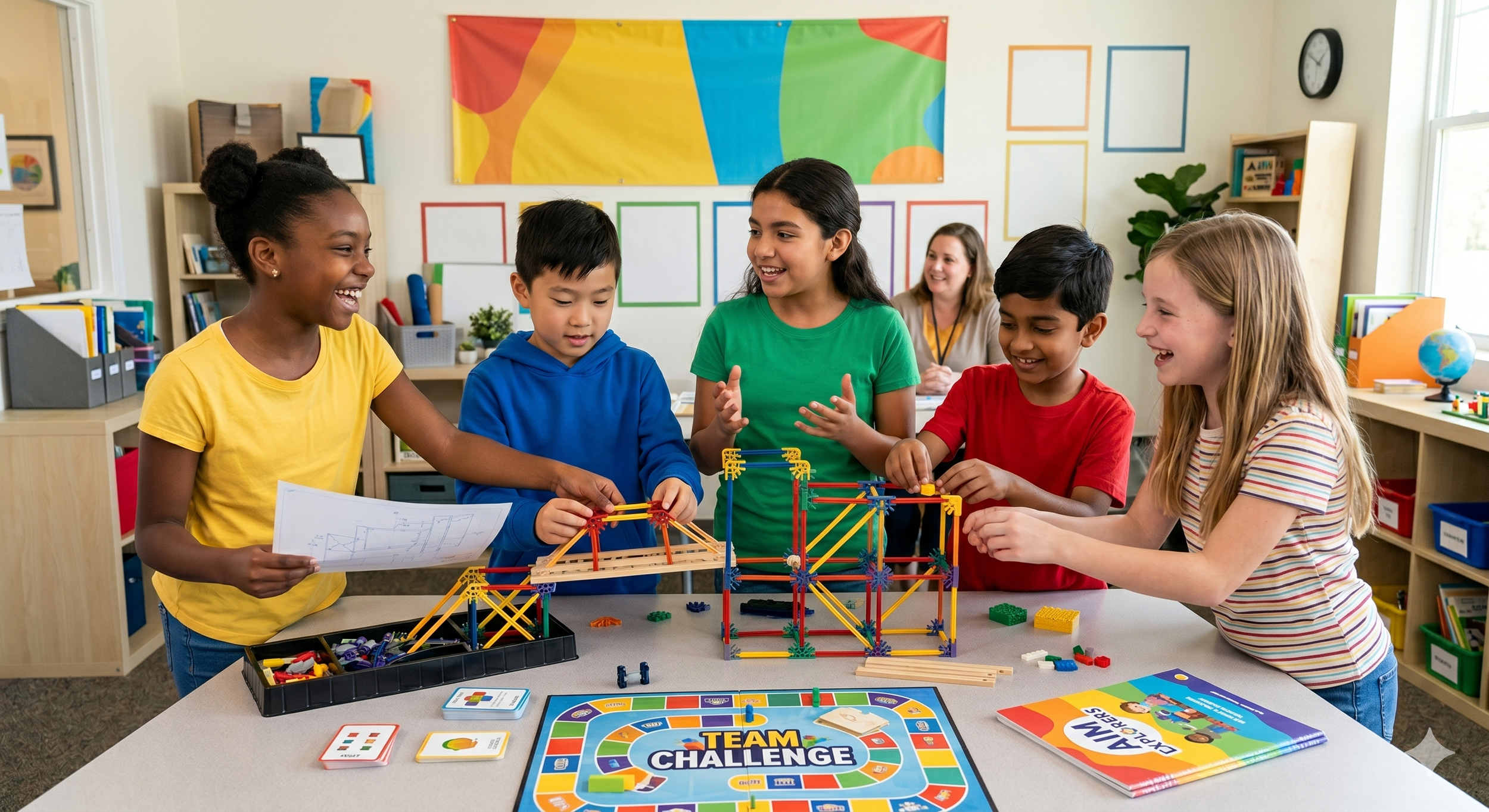
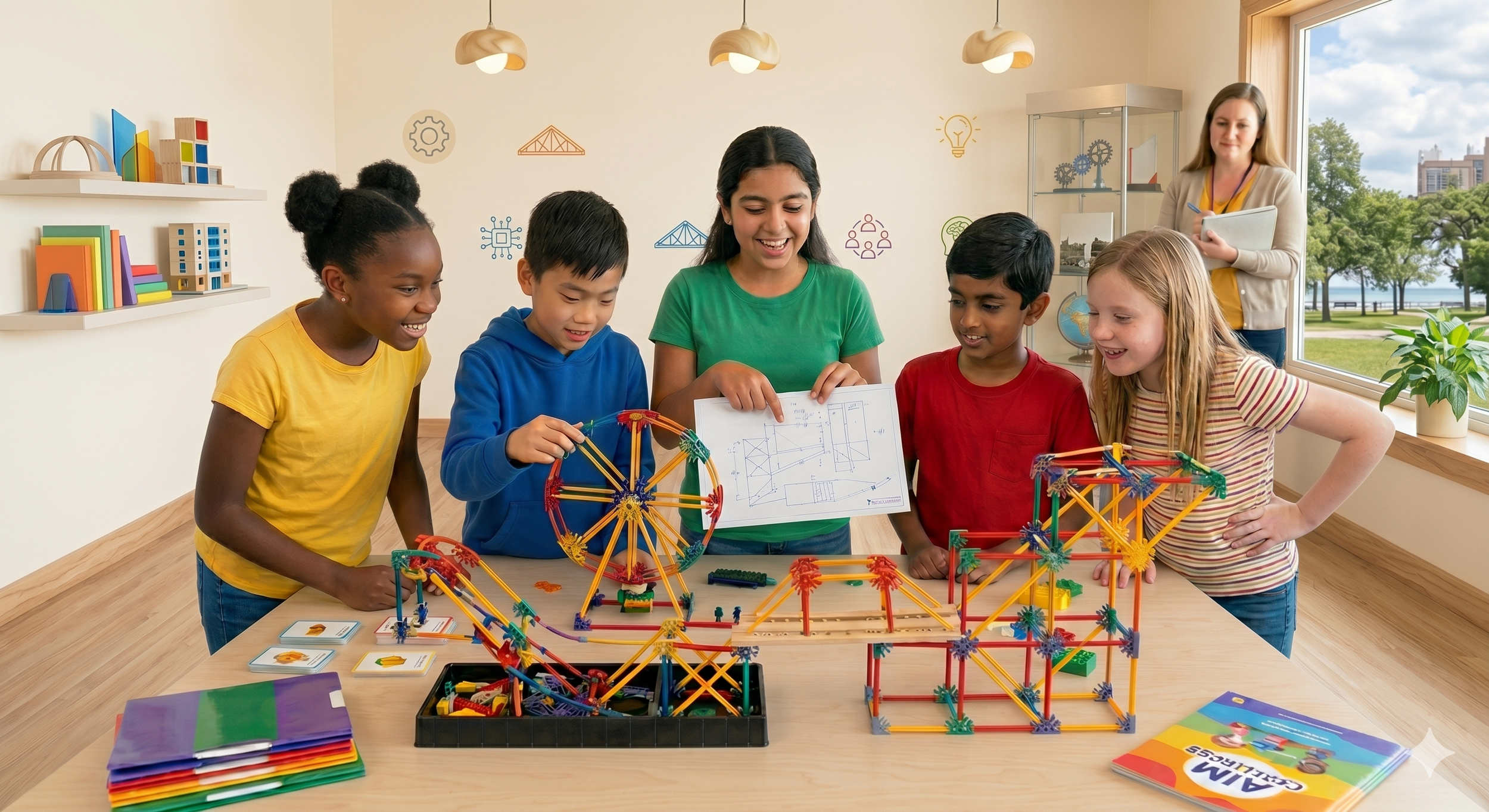
Each session combines direct teaching from the AIM Explorers framework with engaging, hands-on activities such as board games, collaborative projects, and interactive challenges. These activities provide natural opportunities for learners to practice and generalize new skills in a supportive and structured environment.
Who Is It For?
This group is designed for school-aged children and adolescents (ages 9 – 12). These are learners who have advanced social skills but would benefit from building knowledges of the nuance and ‘’unspoken rules’ within social dynamics. Groups will pair learners of similar ages and goals.
What Will My Child Learn?
Learners will continue building social skills while developing higher-level strategies, including:
Advanced conversation skills – joining groups, maintaining longer conversations, using humour appropriately, and navigating topic changes
Leadership and peer support – mentoring others, helping peers, and taking initiative in group activities
Complex problem-solving – handling conflicts, teasing, and disagreements with empathy and flexibility
Social perspective-taking – anticipating how others may feel or respond and adjusting behavior accordingly
Planning and organizing social activities – initiating get-togethers, planning events, and coordinating with peers
Emotional regulation – managing frustration or disappointment, expressing feelings appropriately, and resolving disagreements calmly
Teamwork and collaboration – working effectively in groups, negotiating roles, and contributing to shared goals
Maintaining and strengthening friendships – deepening connections, supporting peers, and sustaining positive relationships
Good sportsmanship and social etiquette – winning and losing gracefully, following rules, and modeling respectful behavior
Confidence and independence in social settings – engaging successfully in new situations and applying skills outside the group
Please let us know if you have any further questions or if you would like to register