

Friendship Explorers: Junior Navigators

7-week program consisting of 14 sessions, held twice weekly.
What Is This Program About?
Friendship Explorers: Junior Navigators is a fun, structured social skills group for learners. This group is guided by the AIM Explorers curriculum, which helps build the foundations for positive friendships and flexible thinking in everyday situations.
Through AIM Explorers, learners are introduced to simple, practical skills such as staying engaged in activities, understanding their own feelings, noticing how others might be feeling and learning different ways to respond when situations are challenging or unexpected.
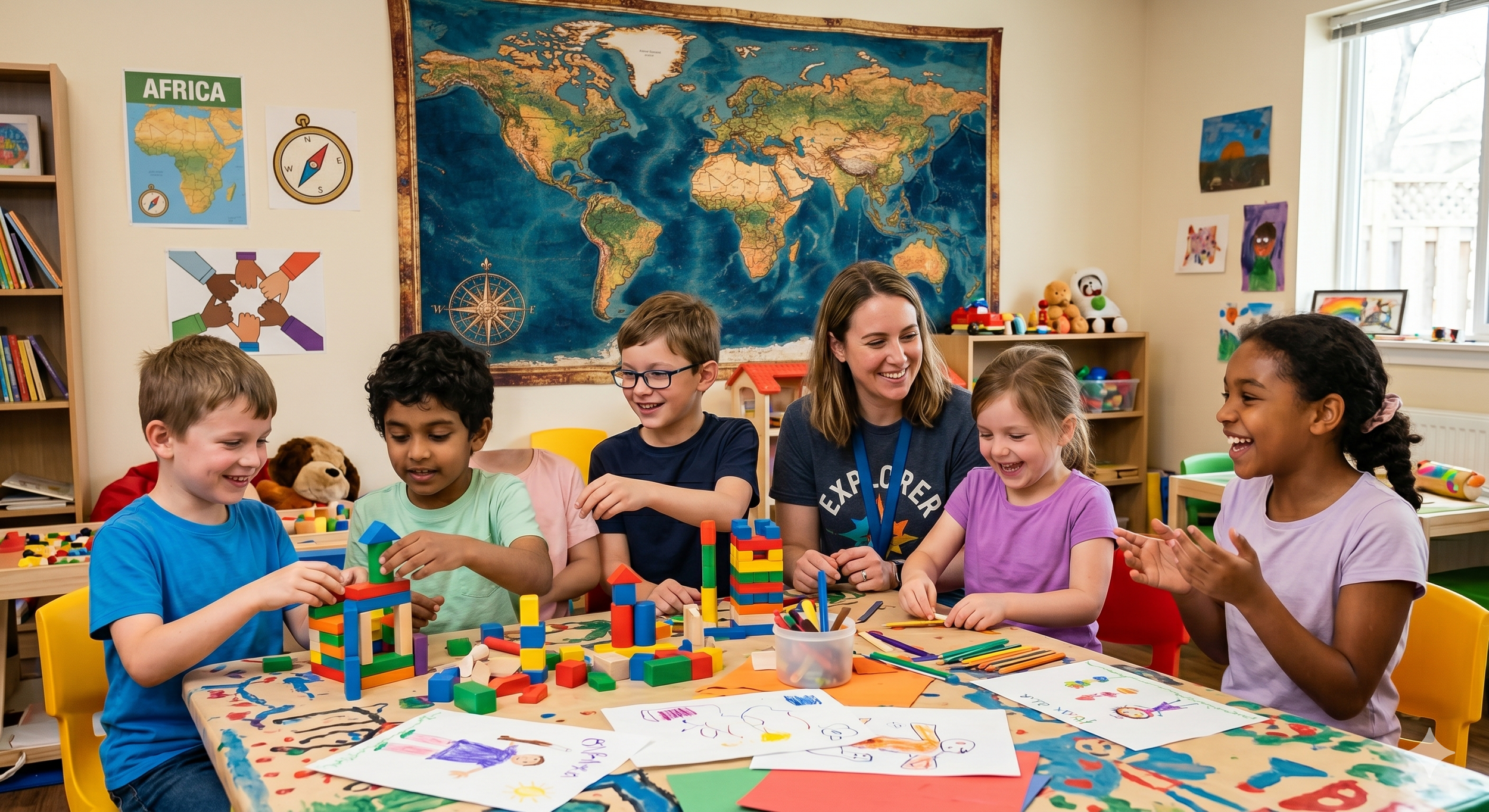
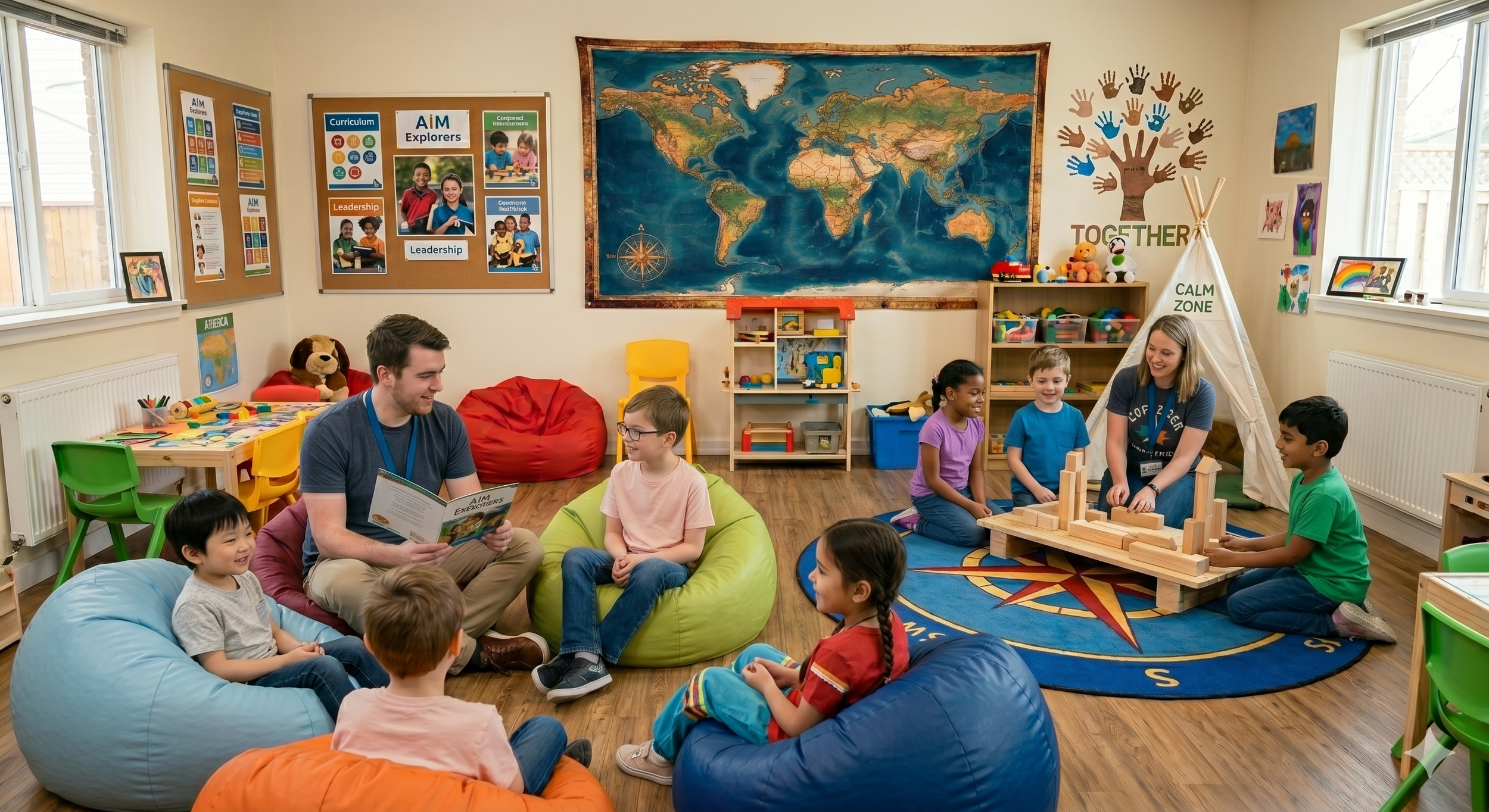
Sessions combine direct teaching with engaging, play-based activities such as games, arts & crafts, and group challenges. These activities give learners natural opportunities to practice social skills like sharing, taking turns, communicating and working together.
The program focuses on building confidence, encouraging positive peer interactions, and helping learners develop meaningful friendships, while giving them tools they can use both in the group and in their daily lives.
Who Is This Group For?
This group is designed for school-aged children (ages 5 – 8). These are learners who have foundational social skills but would benefit from extra support in building social confidence and positive interactions within a group setting. Groups will pair learners of similar ages and goals.
What Will My Child Learn?
Participants will develop a variety of social and friendship skills, including:
Conversation skills – starting, joining, and maintaining two-way conversations; asking questions and making related comments
Turn-taking and cooperative play – sharing, waiting, and collaborating in group activities and games
Building and maintaining friendships – inviting peers to join, accepting invitations, and forming positive connections
Understanding social cues – recognizing body language, facial expressions, and tone of voice
Problem-solving and conflict resolution – handling disagreements, negotiating, and compromising appropriately
Flexibility and adaptability – responding to changes in rules, plans, or peer preferences
Emotional regulation – recognizing and expressing feelings, using strategies to stay calm, and responding to peer emotions
Respectful communication and active listening – taking turns speaking, listening carefully, and responding thoughtfully
Good sportsmanship – handling winning and losing, encouraging peers, and following game rules
Kindness and helping others – supporting peers, offering help, and showing empathy
Group participation skills – following routines, staying engaged, and collaborating during structured activities
Please let us know if you have any further questions or if you would like to register